
Why the Truck Never Goes Back Empty
Lessons on cold chain, customers, and consistency from Caroline Viger U’u
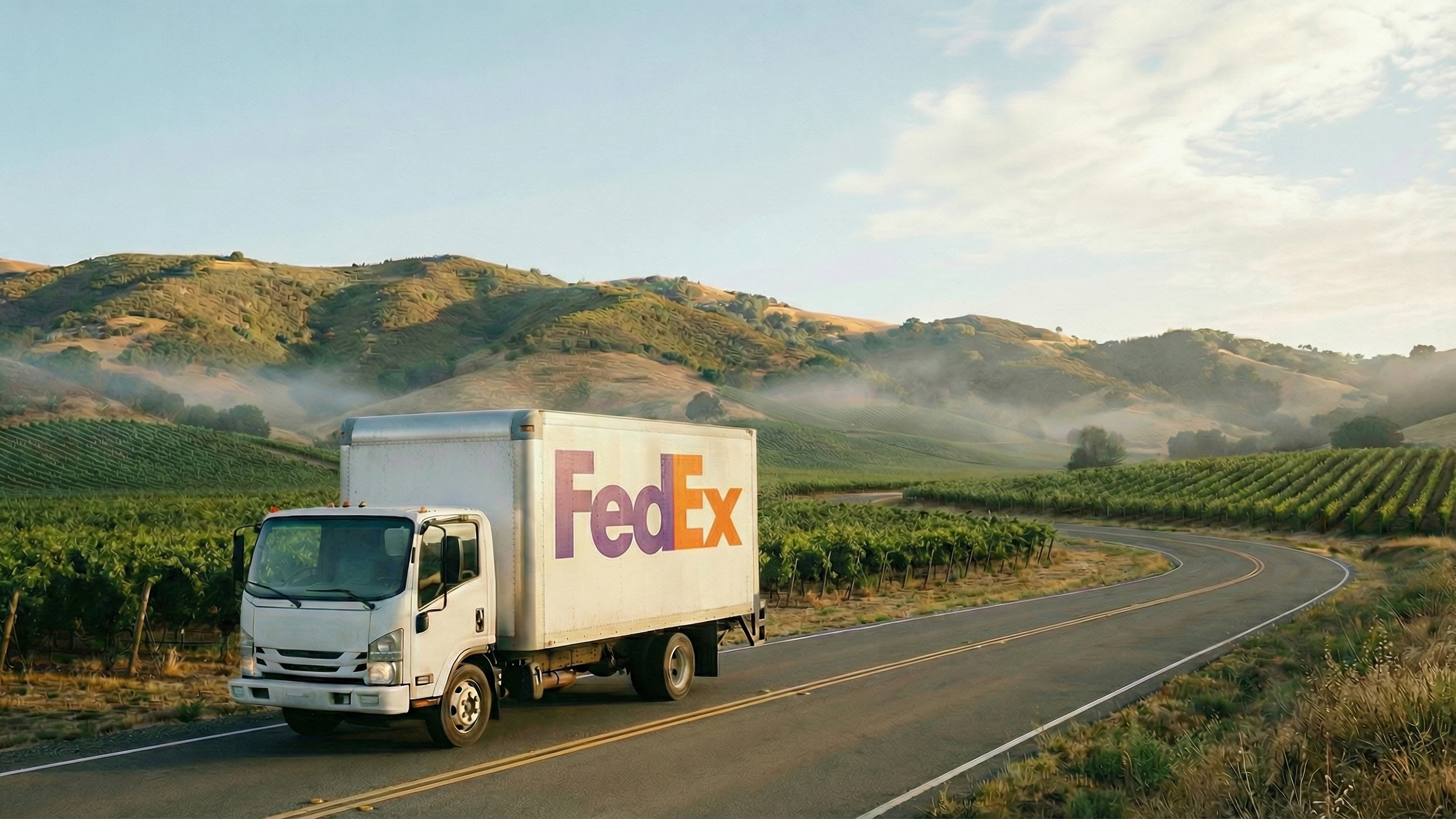
We had the chance to sit down with Caroline Viger U’u, a Managing Director at FedEx who spent 35+ years helping the company evolve from one of the first carriers to offer real-time tracking to one of the first to take cold chain seriously.
Here are four lessons that stuck with us:
One empty truck can teach you a lot
Caroline was covering FedEx’s Northern California region (from Napa down to Paso Robles) when she noticed something strange. Shipping volumes dropped every summer.
It turned out her wine customers had almost completely stopped shipping. Between May and September, the heat made it too risky to ship temperature sensitive wines. Rather than accept the seasonal dip, Caroline saw an opportunity.
She crunched the numbers, pitched the idea internally, and launched two new temperature-controlled shipping lanes out of San Francisco. One east to New Jersey, via Chicago, and another down through Texas and Florida.
The entire operation was pieced together from what was available at the time:
Refrigerated trucks on standby at key depots
Line-haul routes planned to avoid heat exposure
A backhaul truck from Seattle, normally empty, now full of wine
That first summer, the goal was just to break even. It didn’t take long before the service was generating millions in revenue.
It wasn’t just a logistics play. It was a customer-first insight, executed scrappily, and scaled fast. That approach feels familiar.
What seems obvious today is often an audacious bet from yesterday
Caroline shared how FedEx has always seen itself as a technology company first. Fred Smith, the founder, pushed early for real-time tracking and package-level visibility. At the time, it was novel. Even unnecessary in the eyes of some.
But that bet paid off. Tracking became table stakes. Then came automation, route optimization, and tighter integrations between data and delivery.
It’s easy to forget how radical the shift was from “we move stuff” to “we use data about stuff.” But that framing is now the backbone of modern logistics.
3.Trust comes from consistency, not perfection
When we asked what makes a cold chain operation trustworthy, Caroline didn’t say “redundancy” or “99.999% uptime.” She said: consistency.
You don’t have to track every shipment. But if you track a random one, it should look exactly like the rest. That kind of quiet reliability builds trust faster than any dashboard.
It reminded us of something Fred Smith reportedly said often: every package is the most important package. That mindset matters more than any sensor.
4. You need someone on the inside
Caroline emphasized that even with good ideas, change is slow without the right internal ally. You need a champion,” she said. Someone inside the organization who gets it, can connect the dots, and is willing to take a risk.
That applies just as much to startups trying to partner with incumbents as it does to individual employees trying to build something new inside.
Companies are still people businesses. You can have the best idea in the world, but someone still has to believe in you, take the meeting, and trust that you’ll follow through.
Stay close, start small, move
This conversation reinforced something we think about a lot:
Innovation doesn’t have to start big. It just has to start close to the customer.
Caroline noticed wine shipments were vanishing and built a cold chain service from that one detail. She didn’t wait for a directive or a big cross-functional task force. She pulled the data, built the case, and found a path forward.
It’s a reminder that in logistics and in healthcare there’s no substitute for staying close to the people you're serving. You don’t need perfection. You need consistency, good instincts, and a truck that never goes back empty.